

(LOS ANGELES)—The Thai Community Development Center and artist Chancee June presented The Faces of Fabric: A Textile Exhibition today to mark the 30th anniversary of the El Monte Thai Garment Slavery Case. It featured textile art by Chancee June and photographs by Judy Branfman that confront exploitation in the garment industry and beyond.
Attendees walked through the three-part installation meant to represent different aspects of the El Monte workers’ servitude and liberation. By memorializing survivors’ stories, the exhibition educated the public on labor trafficking; immigrant, workers’, and human rights; and corporate accountability, ensuring that the lessons of El Monte are remembered.
Thai CDC’s pioneering work on the historic El Monte Thai Garment Slavery Case of 1995 served as a wake-up call for the world to the global phenomenon of human trafficking and modern-day slavery. The organization played a crucial role in liberating and rehabilitating survivors; providing them with legal, housing, medical, and emotional support; and helping them find their voice and power. Since then, Thai CDC has worked on cases involving over 4,000 Thai and other foreign national victims trafficked for domestic work, sexual exploitation, manual labor, construction, agriculture, and more. That legacy of advocacy continues today as Thai CDC fights for justice, dignity, and protection for all immigrant workers.
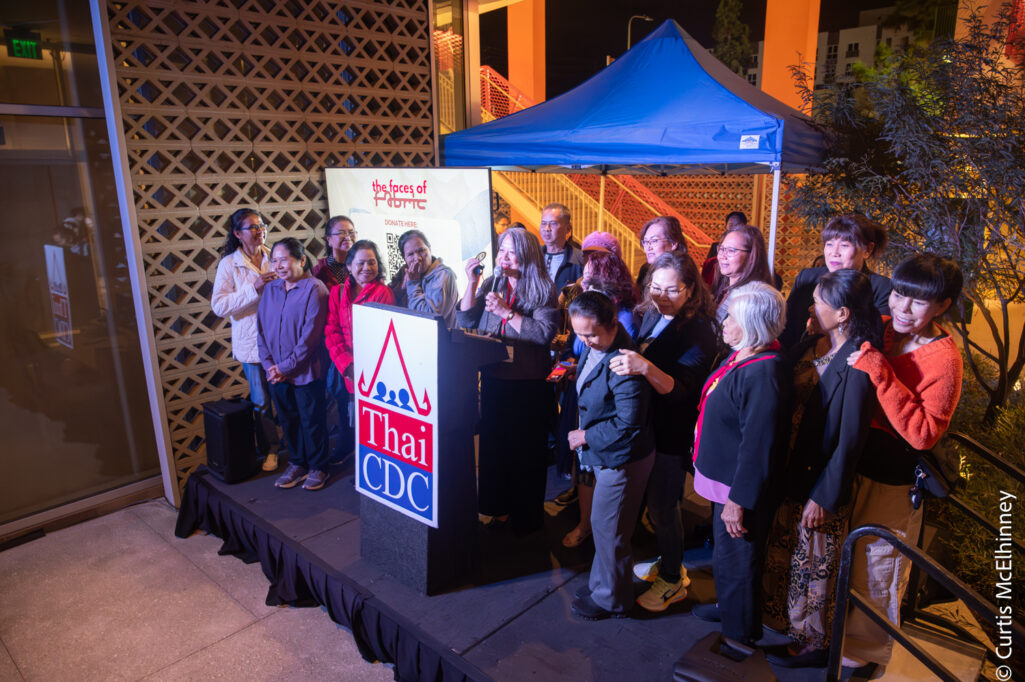
“Faces of Fabric represents both the horrific realities of slave labor and the bright future that’s possible when we pursue justice and create opportunities for healing through community and art,” said Thai Community Development Center Founder and Executive Director Chancee Martorell. “The fight against modern-day slavery presents a growing challenge as federal budget reallocations strip funds from this crucial work. But 30 years after the landmark El Monte case, Thai CDC is as motivated as ever. Our work is just beginning.”
Artist Chancee June was inspired to create this installation by her personal connection to the El Monte case. She said, “Fabric is beautiful, but it is also heavy. In this work, I tried to capture that reality—as well as the dark reality of the living and working conditions that the El Monte survivors endured for so many years.”
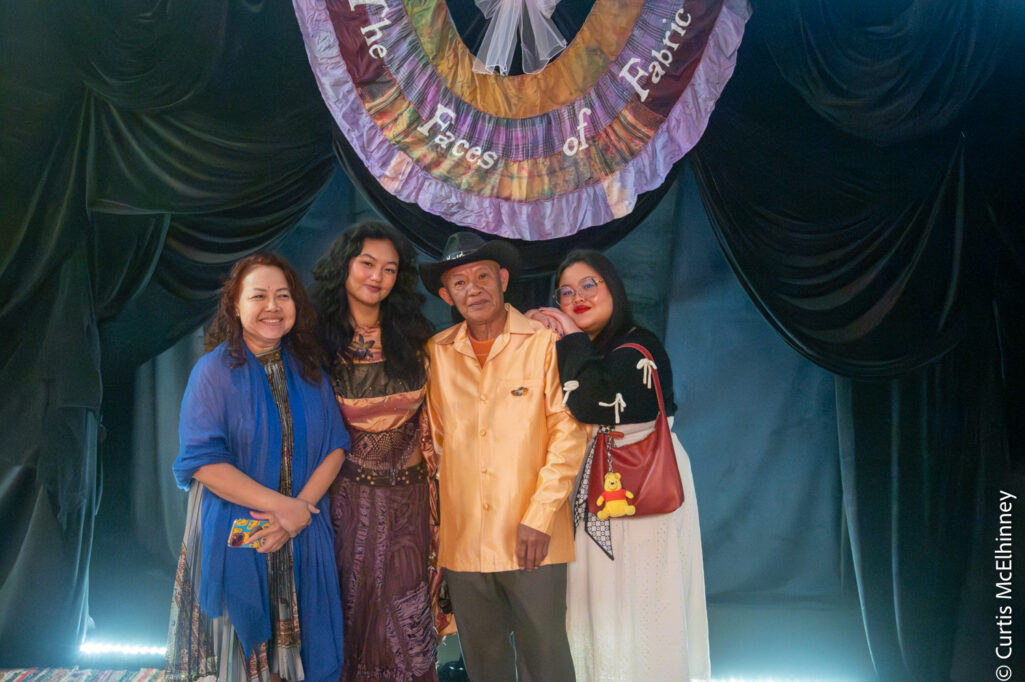
One of the workers liberated from the El Monte sweatshop said, “Thai CDC worked so hard to free us and help us gain independence through legal representation and other services. It’s amazing to see this thirty-year legacy continue today. I know they will keep fighting to protect human rights for many years to come. With this exhibit, Chancee June did a beautiful job representing our experience from captivity to freedom. Her art represents what’s possible when communities come together, heal together, and grow together.”
About Thai CDC
The Thai Community Development Center was founded in April 1994 on the idea that all peoples have a basic right to a decent standard of living and quality of life. It aims to create a thriving community by creating businesses and jobs, developing decent and affordable housing, and revitalizing public space. Thai CDC serves economically disadvantaged populations including immigrants, low-wage workers, welfare recipients, and victims of human trafficking. The organization aims to improve the community while returning ownership of economic decisions to the people most affected by those decisions. Building a strong, interdependent community requires interacting with the world at large. That’s why Thai CDC thinks globally and acts locally. Learn more: https://thaicdc.org/
###
